
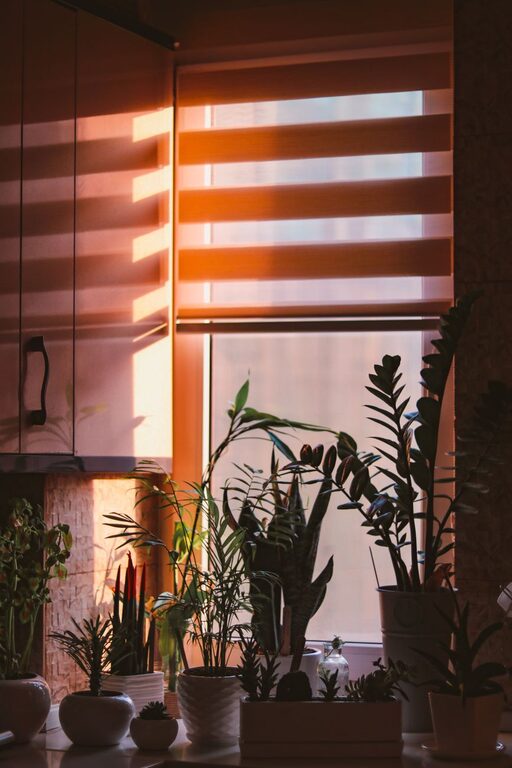
Bringing plants indoors is more than just a decorating trend—it’s a simple way to enhance your living space. Beyond their aesthetic appeal, indoor plants offer tangible benefits such as improving air quality and lifting your mood. In this post, we explore how adding some greenery to your home can contribute to a healthier, happier environment.
How Indoor Plants Improve Air Quality
Natural Air Purifiers
Plants absorb carbon dioxide and release oxygen through photosynthesis, which naturally refreshes the air around them. Certain indoor plants can even filter harmful substances commonly found in homes, such as volatile organic compounds (VOCs) emitted by furniture, paints, and cleaning products.
Common Pollutants Filtered by Plants
Research has shown that plants like the spider plant, peace lily, and Boston fern can remove pollutants including benzene, formaldehyde, and trichloroethylene. These chemicals often come from everyday household items and can contribute to indoor air pollution when ventilation is limited.
Humidity Regulation
Indoor plants also help maintain comfortable humidity levels by releasing moisture into the air through a process called transpiration. This can be especially beneficial in dry winter months, reducing issues like dry skin and respiratory irritation.
Positive Effects on Mood and Wellbeing
Stress Reduction
Several studies suggest that being around plants can reduce stress levels and promote relaxation. The presence of greenery indoors creates a calming environment and may lower cortisol, the stress hormone.
Boosting Concentration and Productivity
Having plants in your home office or living area can improve focus and concentration. The natural presence of plants has been linked to increased attention span and mental clarity, making tasks feel less stressful.
Enhancing Overall Happiness
Taking care of plants also provides a sense of purpose and accomplishment, which can contribute positively to mental health. The act of nurturing a living thing encourages mindfulness and can elevate mood.
Choosing the Right Indoor Plants
Low Maintenance Options
If you’re new to gardening or have a busy lifestyle, consider easy-care plants such as:
– Snake plant: Tolerates low light and requires infrequent watering.
– Pothos: Thrives in various light conditions and grows quickly.
– ZZ plant: Hardy and drought-tolerant.
Plants for Maximum Air Purification
To maximise air quality benefits, try:
– Peace lily: Known for filtering common toxins.
– Spider plant: Effective at removing pollutants while growing quickly.
– Boston fern: Excellent at increasing humidity and filtering air.
Tips for Keeping Indoor Plants Healthy
– Light: Place plants in areas with appropriate natural light, but avoid direct harsh sunlight unless the plant requires it.
– Water: Follow specific watering needs for each plant; overwatering can be as harmful as underwatering.
– Soil and Pot: Use well-draining soil and pots with drainage holes to prevent root rot.
– Cleaning: Occasionally wipe leaves with a damp cloth to remove dust that can block light absorption.
Creating a Green Home Environment
Incorporating indoor plants into your home décor not only improves air quality and mood but also brings a touch of nature indoors. Here are some creative ideas:
– Create a dedicated plant corner with varying heights and textures.
– Use hanging planters to save space while adding greenery.
– Place small pots on shelves, windowsills, or desks.
– Combine plants with decorative pots that complement your interior style.
Conclusion
Indoor plants offer a simple, natural solution to enhance your home environment. By improving air quality and positively influencing mood, they contribute to your wellbeing in multiple ways. Whether you’re a seasoned plant lover or just starting out, there’s a plant to suit every home and lifestyle. So why not bring a little green indoors and enjoy the fresh air and happiness they provide?
About the Author