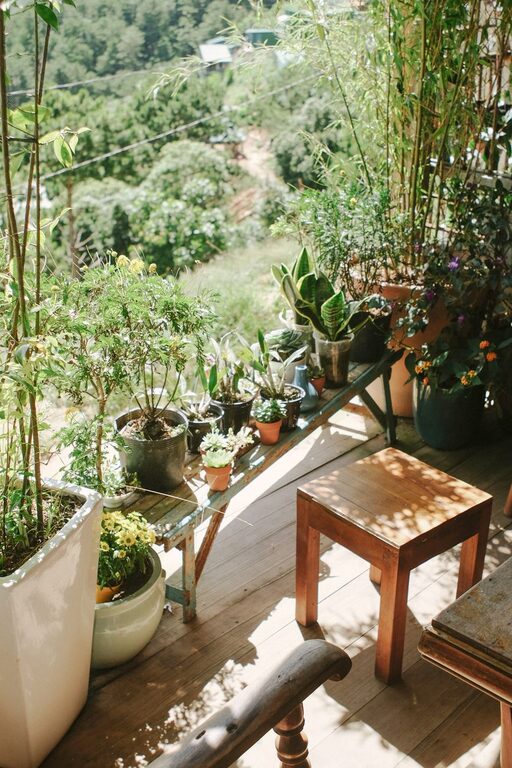
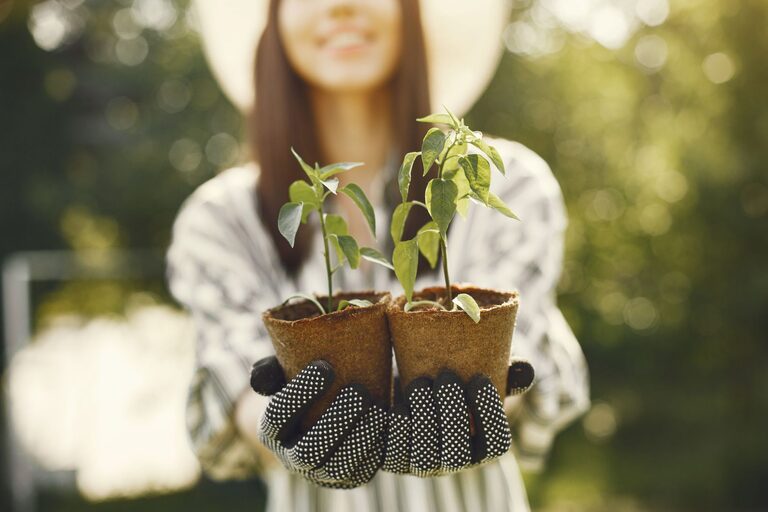
Creating a sustainable and eco-friendly home garden is a rewarding way to connect with nature, reduce your environmental impact, and enjoy fresh produce or beautiful plants. Whether you have a large backyard or a small balcony, adopting green gardening practices helps conserve resources and supports local wildlife. Here are practical tips to help you design and maintain an eco-friendly garden for years to come.
1. Plan Your Garden Thoughtfully
Before digging or planting, take time to plan your garden layout. Consider factors such as sunlight, wind exposure, soil quality, and available space. Selecting the right plants suited to your local climate and soil conditions reduces the need for extra watering, fertilising, or pest control.
Choose Native and Drought-Tolerant Plants
Native plants are adapted to thrive naturally in your region’s environment. They often require less water and maintenance than exotic species, and they provide food and habitat for local birds, bees, and butterflies. Drought-tolerant plants are also a great choice, especially in areas prone to dry spells.
2. Improve Soil Health Naturally
Healthy soil is the foundation of any garden. Instead of relying on synthetic fertilisers and chemicals, try these natural methods to enrich your soil:
– Composting: Recycle kitchen scraps, garden clippings, and leaves to create nutrient-rich compost.
– Mulching: Apply organic mulch like bark chips or straw to retain moisture, reduce weeds, and add nutrients as it breaks down.
– Green Manure: Grow cover crops such as clover or legumes to fix nitrogen in the soil and prevent erosion.
3. Conserve Water Wisely
Water use is a significant concern in gardening, so adopting water-efficient methods is vital for sustainability.
– Collect Rainwater: Use rain barrels to capture roof runoff for watering plants.
– Water Early or Late: Water your garden in the early morning or evening to reduce evaporation loss.
– Use Drip Irrigation: Target the roots directly to prevent water waste.
– Group Plants by Water Needs: This makes watering more efficient and prevents overwatering some plants.
4. Avoid Chemicals and Pesticides
Chemical pesticides, herbicides, and fertilisers can harm beneficial insects, pollute waterways, and degrade soil health. Instead, focus on:
– Natural Pest Control: Encourage predators like ladybirds and birds that feed on pests.
– Companion Planting: Plant certain species together to repel pests or improve growth—for example, marigolds can deter aphids.
– Manual Removal: Handpick pests or use water sprays to remove them physically.
5. Promote Biodiversity
An eco-friendly garden supports a variety of wildlife and plants, contributing to a balanced ecosystem.
– Create Habitats: Provide bird feeders, insect hotels, logs, and ponds to attract different species.
– Plant a Variety of Species: Multiple plant types ensure that many insects and animals find shelter and food.
– Avoid Excessive Tidying: Leaving some dead leaves or stems benefits insects and soil organisms.
6. Reuse and Recycle Materials
Sustainability also means reducing waste.
– Upcycle Containers: Use old pots, buckets, or pallets for planting.
– Save Seeds: Preserve seeds from your plants to grow next season.
– Choose Recyclable or Biodegradable Products: Opt for garden tools and supplies made with the environment in mind.
7. Consider Edible Gardening
Growing your own fruit, vegetables, and herbs reduces reliance on store-bought produce and cuts down packaging waste.
– Start Small: Even a few pots on a windowsill can yield fresh herbs.
– Grow Seasonal Crops: This aligns with nature’s cycles and often means less need for fertilisers or pesticides.
– Avoid Genetically Modified Seeds: Use organic seeds to maintain biodiversity.
8. Use Sustainable Gardening Tools
Select tools made from durable, eco-friendly materials. Wooden handles, stainless steel blades, and tools designed for long-term use reduce resource consumption. Where possible, choose manual tools over electric ones to save energy.
Conclusion
Creating a sustainable and eco-friendly home garden is a journey that benefits both you and the environment. By planning thoughtfully, nurturing your soil, conserving water, avoiding chemicals, encouraging biodiversity, and reusing materials, you can enjoy a flourishing garden that supports nature’s balance. Start with small changes and watch as your garden becomes a haven for wildlife and a source of pride and well-being. Happy gardening!
About the Author