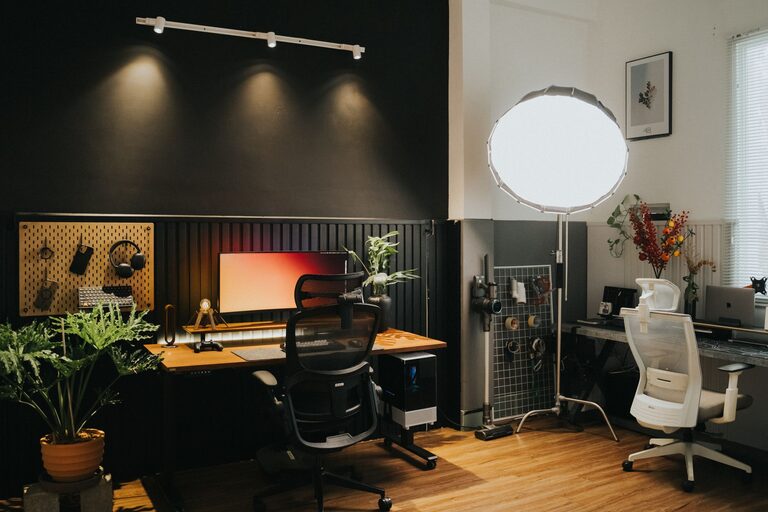
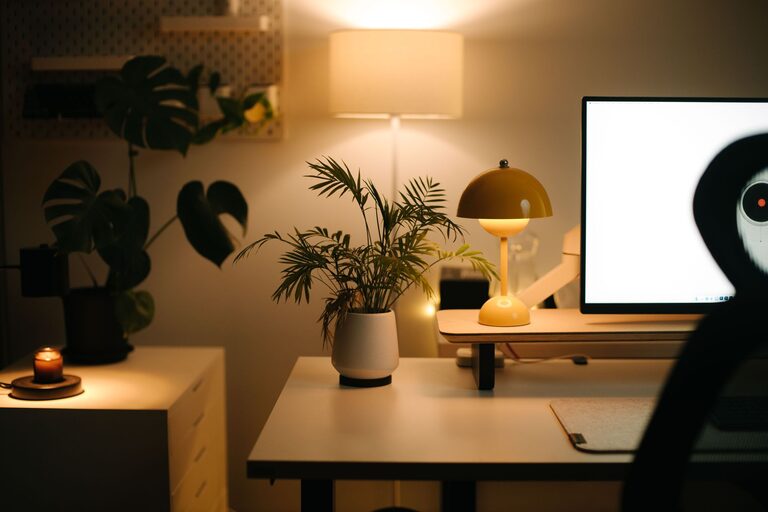
Working from home has become increasingly common, and having a dedicated, well-organised home office can make all the difference. Whether you’re new to remote work or looking to improve your current setup, creating a productive home office environment is key to maintaining focus and efficiency. This guide covers practical tips to help you design a workspace that supports your work habits and well-being.
Choose the Right Location
Start by selecting a suitable spot in your home for your office. Ideally, this should be a quiet area away from high-traffic zones, like living rooms or kitchens. If space is limited, even a small corner can work if organised thoughtfully.
– Look for natural light sources to reduce eye strain and boost mood.
– Ensure the area has enough room for your desk, chair, and any necessary equipment.
– Minimise distractions by choosing a space where your work won’t be interrupted frequently.
Invest in Ergonomic Furniture
Comfort is essential to stay productive throughout the day. Invest in furniture that supports good posture and reduces physical strain.
– Desk: Choose a desk at the right height to keep your arms and wrists comfortable.
– Chair: A supportive office chair reduces back pain and allows you to sit upright.
– Consider ergonomic accessories like keyboard trays or footrests.
– Adjustable furniture can help you alternate between sitting and standing.
Optimise Lighting
Proper lighting helps reduce fatigue and maintain concentration.
– Use natural daylight whenever possible.
– Position your desk near windows, but avoid glare on your screen.
– Add adjustable desk lamps with soft, warm light to prevent eye strain.
– Avoid harsh overhead lights that create shadows or reflections.
Keep Your Workspace Organised
A tidy environment helps clear your mind and improve focus.
– Use shelves, filing cabinets, or organisers to store documents and supplies.
– Keep only essential items on your desk to reduce clutter.
– Develop a system for managing paperwork, such as daily sorting or digital scanning.
– Regularly clear your workspace at the end of each day.
Minimise Noise and Distractions
Background noise and interruptions can quickly derail productivity.
– Use noise-cancelling headphones or earplugs if you cannot isolate your space.
– Consider soft background music or white noise to block distractions.
– Inform family members or housemates of your working hours to reduce interruptions.
– Turn off notifications on devices unrelated to work during focus periods.
Create a Personal and Motivating Atmosphere
Your home office should be a place where you feel motivated and inspired.
– Add plants to improve air quality and add a calming touch.
– Decorate with colours and artwork that boost your mood and creativity.
– Keep a notepad or whiteboard handy for jotting down ideas and tasks.
– Use scents or essential oils if you find them helpful for concentration.
Manage Technology Efficiently
Technology is central to remote work, so ensure your setup supports your workflow.
– Invest in reliable internet and test your connection regularly.
– Use cable organisers to keep cords neat and avoid tangling.
– Position your monitor at eye level to reduce neck strain.
– Regularly update software and backups to avoid technical disruptions.
Set Clear Boundaries and Routines
Creating routines helps separate work life from home life, which can improve productivity.
– Set regular working hours and inform those around you.
– Take regular breaks away from your desk to rest your eyes and stretch.
– Use techniques like the Pomodoro method to manage work intervals.
– End your workday by tidying your space and switching off work devices.
Prioritise Well-being
Your mental and physical health affects productivity, so take steps to look after yourself.
– Incorporate movement, whether stretching, standing, or short walks.
– Stay hydrated and have nutritious snacks available.
– Maintain good ventilation and temperature in your workspace.
– Consider mindfulness or relaxation exercises to handle stress.
Conclusion
Creating a productive home office environment is all about designing a space that supports your work style and well-being. By choosing the right location, investing in comfortable furniture, organising your workspace, and managing distractions, you can enhance focus and efficiency. Remember, small changes can make a significant difference in your productivity and enjoyment while working from home. Take the time to tailor your office so it is a place where you can thrive.
About the Author