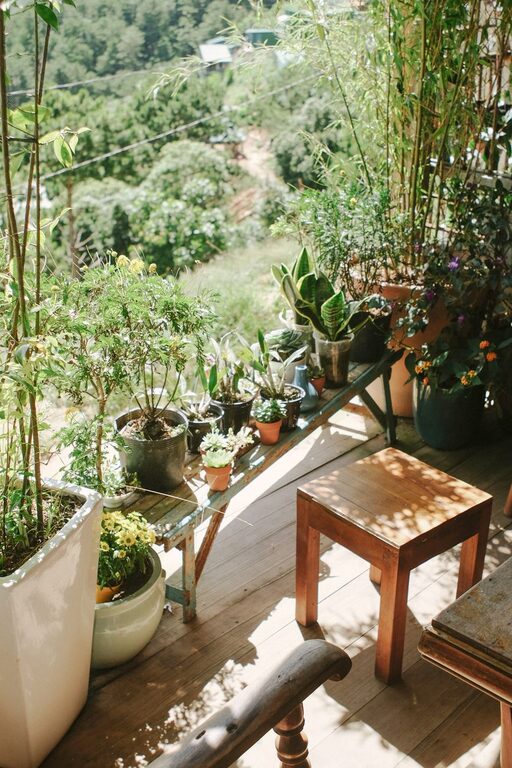

Creating a peaceful outdoor garden space at home offers a wonderful retreat from the busyness of everyday life. Whether you have a small balcony, a modest backyard, or a large garden, thoughtful design can transform your outdoor area into a serene haven. This guide shares practical tips to help you cultivate a relaxing garden space where you can unwind, connect with nature, and enjoy fresh air.
1. Plan Your Space Thoughtfully
Before planting or buying furniture, take time to plan your garden layout. Consider how you intend to use the space: for reading, meditation, socialising, or simply enjoying the scenery. Sketch a rough map of your garden and mark areas for seating, plants, and paths. This will help you organise your space and avoid clutter.
Choose the Right Location
Select a spot that receives good light but also offers some shade during the hottest parts of the day. This balance ensures comfort and supports healthy plant growth. If you have limited space, even a corner or a balcony can be turned into a cosy garden nook.
2. Select Calming Colours and Plants
Colours have a big impact on mood. Soft greens, blues, mauves, and creams can create a soothing atmosphere. When choosing plants, opt for those with gentle foliage and flowers that provide subtle colours and fragrances without overwhelming the senses.
Recommended Plants for Relaxation
– Lavender: Known for its calming scent.
– Ferns: Lush, green foliage that thrives in shade.
– Jasmine: Sweetly scented, ideal for warmer climates.
– Hostas: Attractive leaves and easy to grow.
– Bluebells or Forget-me-nots: Delicate, calming flower colours.
Incorporate plants of varying heights and textures to add interest without creating visual noise.
3. Incorporate Comfortable Seating
Comfort is key in a relaxing garden. Choose outdoor furniture that invites you to linger, such as cushioned benches, hammocks, or rocking chairs. Weather-resistant cushions and throws can add softness and warmth.
Try to position seating so it overlooks your garden’s best features, whether that’s a flower bed, a water feature, or a leafy tree. If space allows, create multiple seating areas to suit different moods and occasions.
4. Add Water Features for Soothing Sounds
The gentle sound of running water has a calming effect and helps mask unwanted noise such as traffic. Simple water features like a small fountain, birdbath, or even a DIY water wall can introduce this element.
Ensure your water feature is quietly bubbling rather than loud or splashing, to maintain a tranquil environment.
5. Use Lighting to Set the Mood
Outdoor lighting lets you enjoy your garden into the evening and enhances the atmosphere. Soft, warm lights work best for a relaxing space.
Consider:
– Solar-powered path lights to define walkways gently.
– String lights or fairy lights for a whimsical touch.
– Lanterns or candle holders for a natural flickering glow.
Avoid bright or harsh lighting, which can disrupt the peaceful vibe.
6. Include Natural Elements
Wood, stone, and natural fibres blend beautifully with garden greenery. Use wooden benches, stone statues, pebble pathways, or wicker baskets for storage and decoration. These materials add texture and warmth, creating an inviting environment that feels grounded in nature.
7. Keep the Garden Tidy but Natural
Regular maintenance enhances relaxation by preventing overgrowth and clutter but avoid making the space too formal or sterile. Let wildflowers, herbs, or grasses grow naturally in some areas to support wildlife such as bees and butterflies. A garden that feels alive and organic is more calming than one that is overly manicured.
8. Create Privacy and Shelter
Privacy adds comfort and helps you feel secure, which supports relaxation. Use tall plants, trellises with climbing vines, or wooden screens to create secluded areas. Additionally, consider a pergola or umbrella to provide shelter from sun and rain, extending the usability of your outdoor space.
9. Add Personal Touches
Make the garden uniquely yours with decorations that inspire peace. This could include wind chimes, sculptures, comfortable cushions, or a selection of your favourite books. Choose items that make you feel relaxed and happy.
10. Maximise Seasonal Enjoyment
Your garden can be a relaxing spot year-round with some seasonal planning:
– Plant bulbs for spring flowers.
– Include evergreens for winter interest.
– Use weatherproof cushions and blankets.
– Position seating near a firepit or chiminea for cool evenings.
By adapting your garden to the seasons, you ensure it remains a welcoming retreat throughout the year.
—
Final Thoughts
Creating a relaxing outdoor garden space at home doesn’t require extensive landscaping or a large budget. With thoughtful planning, calming colours, comfortable seating, natural elements, and personal touches, anyone can craft a peaceful garden sanctuary. This space will serve as a restorative escape where you can breathe deeply, reflect calmly, and enjoy the beauty of nature right outside your door. Happy gardening!
About the Author