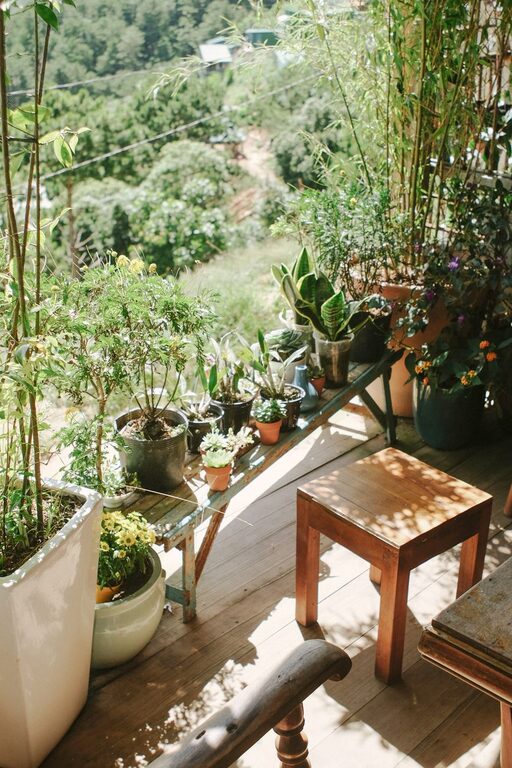
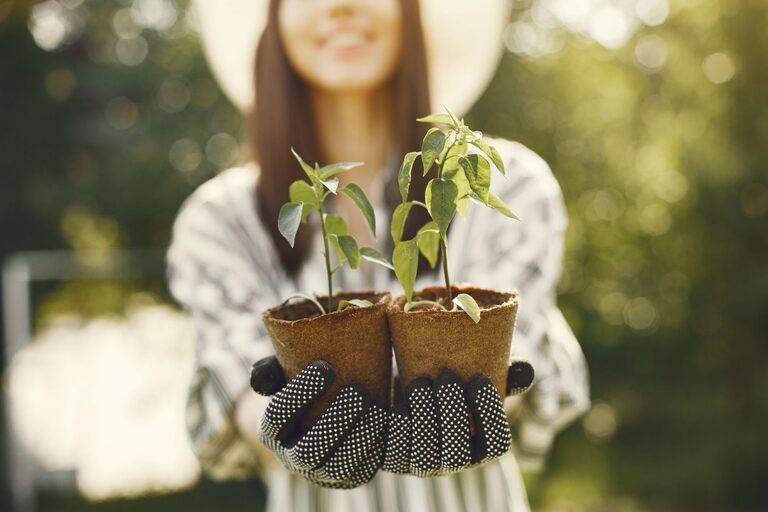
Creating a garden that thrives in every season while respecting the environment is a rewarding challenge. A sustainable, eco-friendly garden not only benefits local wildlife and reduces waste but also provides fresh produce and a calming green space for you. Whether you have a large backyard or a small balcony, you can implement practices that promote sustainability throughout the year.
Why Choose a Sustainable, Eco-Friendly Garden?
Gardening in an eco-friendly way helps to conserve natural resources like water and soil, reduces pollution, and encourages biodiversity. This approach supports local ecosystems and reduces your carbon footprint.
Planning Your Garden for Sustainability
Assess Your Space and Climate
Before planting, consider the size of your garden and the climate in your area. Understanding seasonal patterns is essential for choosing plants that will thrive with minimal intervention.
Choose Native and Adapted Plants
Native plants are naturally suited to your local environment, requiring less water, fertiliser, and pesticides. Adapted plants from similar climates can also perform well, reducing maintenance needs.
Design for Efficiency
Plan your garden layout to make the best use of sunlight, shade, and wind. Group plants with similar water and light needs together to save resources.
Soil Health: The Foundation of Sustainability
Test and Improve Your Soil
Healthy soil supports strong plants and reduces the need for chemical fertilisers. Consider testing your soil to understand its composition and nutrient levels.
Use Organic Compost
Recycling kitchen scraps and garden waste into compost enriches the soil naturally. Compost improves soil structure, moisture retention, and nutrient content.
Minimise Soil Disturbance
Practise no-dig or minimum-till gardening to preserve soil life and structure.
Water Wisely Year-Round
Collect Rainwater
Using rainwater for irrigation reduces your dependence on mains water and is better for plants as it is free of chemicals.
Mulch to Retain Moisture
Apply organic mulch around your plants to reduce evaporation, suppress weeds, and improve soil quality.
Water at Optimal Times
Water your garden early in the morning or late in the evening to reduce evaporation.
Encourage Biodiversity
Plant a Variety of Species
Diversity in plants attracts a range of beneficial insects and birds that help control pests naturally.
Provide Habitat Features
Create habitats like log piles, birdhouses, and insect hotels to support wildlife in your garden.
Avoid Harmful Chemicals
Limit or eliminate the use of pesticides and herbicides to protect beneficial insects and soil health.
Extend the Growing Season
Use Cold Frames and Greenhouses
These structures protect plants from frost and allow you to grow crops for longer periods.
Plant Seasonal Crops
Choose vegetables and flowers suited to each season to maintain productivity throughout the year.
Rotate Crops Annually
Crop rotation helps prevent disease build-up and maintains soil fertility.
Reduce Waste and Reuse Resources
Save Seeds
Collect seeds from your healthiest plants to grow new crops the following year.
Repurpose Materials
Use recycled containers, pallets, or other materials for garden beds and compost bins.
Buy Locally and Organically
Support local nurseries and farms to reduce transport emissions and ensure the use of organic practices.
Maintain Your Garden with Care
Regular Pruning and Deadheading
Keeping plants healthy and removing dead growth encourages vigorous growth and flowering.
Monitor Pests Naturally
Keep an eye on your plants and manage pests using companion planting or natural predators.
Keep Records
Maintain a garden journal to track what works and what doesn’t, helping you improve year on year.
Conclusion
Creating and maintaining a sustainable and eco-friendly garden throughout the year requires planning, care, and a little patience. By choosing the right plants, conserving water, nurturing the soil, and encouraging biodiversity, you can enjoy a thriving garden that supports both your wellbeing and the environment. Small changes add up to make a big difference—for you, your garden, and the planet. Happy gardening!
About the Author